






The Future of Flexible Packaging in India: What 2026 Will Demand
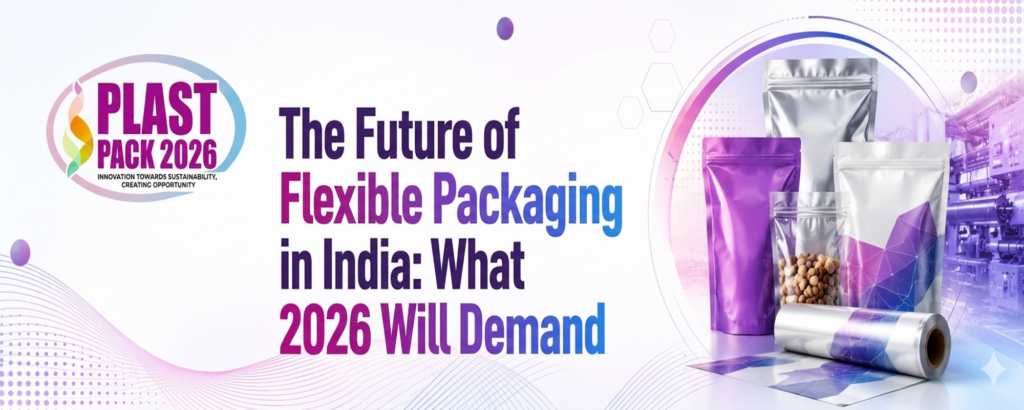
The Future of Flexible Packaging in India: What 2026 Will Demand The packaging scenario in India is on the brink of a complete overhaul. Fuelled by strong urbanisation, a strong middle class, and radical changes in consumer behaviour, the number of flexible packaging machinery manufacturers India is rapidly increasing. The industry is evolving beyond the containment, protection and preservation of packaging to high-performance, smart and highly sustainable systems. The core objective is to serve a hyper-connected consumer market. India Plays the Role of a Catalyst In recent years, the country’s flexible packaging industry has experienced sky-high growth. The prime reasons include organised retail, the vast demographic dividend and the structural shift towards small-pack sizes in rural India. Flexible packaging manufacturing India provides an unparalleled economic benefit by reducing the need for storage space and lowering transportation costs compared with rigid formats. The Q-Commerce and E-Commerce Revolution Q-commerce requires secondary and primary packaging that can withstand high-speed transit, rough bike courier rides, and sudden changes in climate without bursting or leaking. Anti-tampering seals, easily torn notches, and resealable zippers have gone from luxury enhancements to mandatory baselines. Lately, e-commerce penetration has been explosive, and the rise of quick-commerce platforms has been unprecedented. Q-commerce delivers within 10 minutes, leading to a rewrite of the packaging rulebook. In 2026, packaging remains the primary physical medium through which a brand interacts with a consumer. The Material Revolution: Light Weighting & Mono-Materials Leading manufacturers are harnessing the potential of the advanced plastic recycling technologies in India. To achieve both functionality and economics, the industry is actively developing lightweight, high-performance materials. High-barrier multi-layer films are thinner than ever before while providing greater moisture, oxygen, and light barrier performance. Conventional multi-layer plastic films (bonding incompatible plastics such as PET, Met-PET, and PE) have been very difficult to recycle. Smart Manufacturing: Automation on Converting Lines Leveraging sophisticated plastic recycling technologies India is of paramount importance. Automation is transforming converting lines in factories across India. High-speed slitters, pouch-makers and extrusion laminators are equipped with AI-based vision inspection systems to detect defects at 500 meters per minute. Automated tension control, robotic roll handling, and tool-less quick-changeover mechanisms reduce downtime and material waste. Therefore, converters can profitably run the smaller, customised print runs required by today’s brands. What Buyers Prioritise the Most in 2026 When sourcing flexible packaging these days, packaging machinery manufacturers India have to be aware of buyers’ demands, which focus on three pillars: Proven Sustainability: Solid evidence of circularity, such as Post-Consumer Recycled (PCR) content usage and certified mono-material commitment. Longer Shelf-Life: High-barrier systems that allow food products to be free of chemical preservatives. Supply Chain Agility: Reduced lead times, structural stability to run on high-speed automated filling lines, and anti-counterfeiting measures such as serialised QR codes. Final Words The future of flexible packaging manufacturing India is at the confluence of materials science, digital automation, and environmental responsibility. To stay abreast of such changes, intense collaboration among raw material suppliers, machinery manufacturers, and brand owners is necessary. PlastPack, organised by the Indian Plast Pack Forum (IPPF), is the largest plastics and packaging exhibition in Central India. The 2026 edition of PlastPack offers industry players a pivotal platform to witness the advent of breakthroughs shaping the next wave of sustainable packaging solutions.