






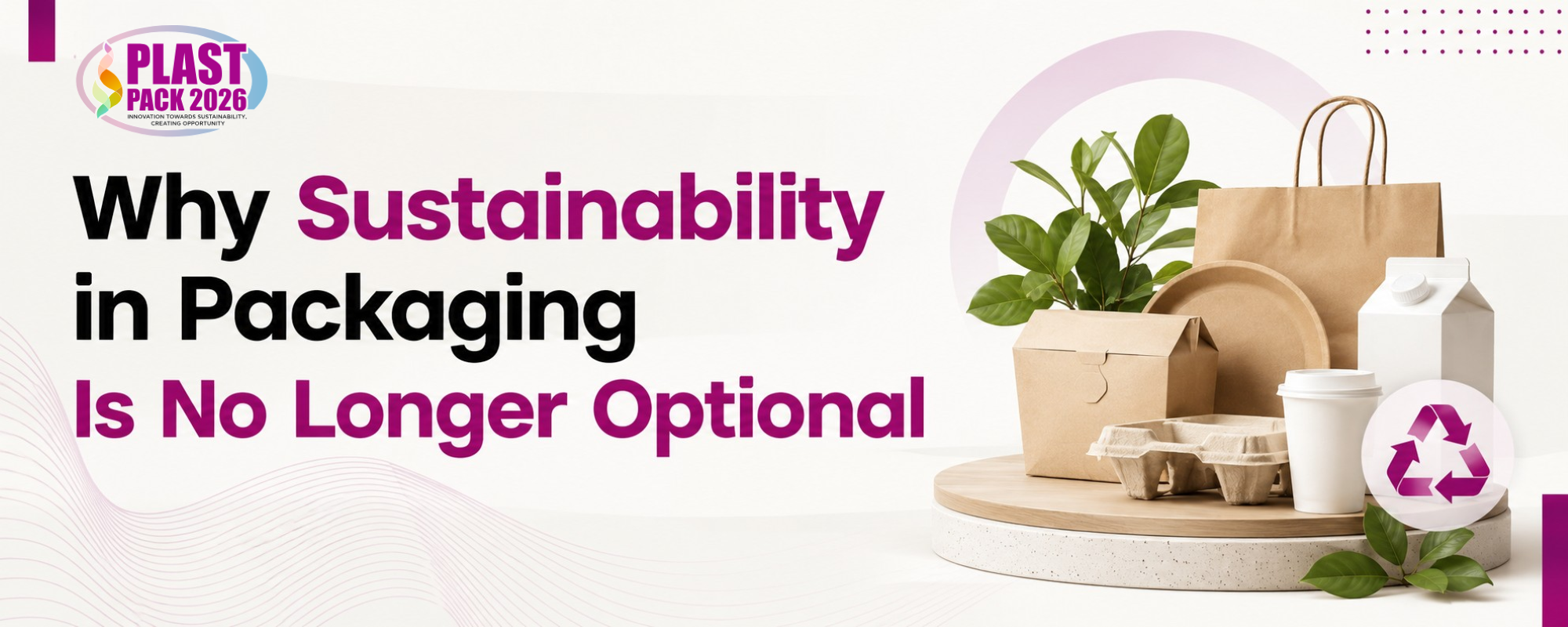
Why Sustainability in Packaging Is No Longer Optional
The worldwide packaging industry is experiencing an unmistakable transformation. The practice of using sustainable plastics for packaging India is no longer optional. Spurred by stricter regulations, shifting consumer preferences and business case signals, the industry is abandoning the ‘take-make-waste’ linear economy model. 2026 is the year when packaging needs to shift to a circular system or become outdated; that is the implication of the mandate.
Circularity: Buzzword to Business Imperative
Circularity is now shaping brands’ product design decisions. Today’s companies are discovering that genuine sustainability means considering the end-of-life phase from the moment a package is born. Those that don’t adapt their business models to embrace circular economy plastics in India supply chains risk alienating not just eco-friendly retail partners. Moreover, they can lose a consumer base that increasingly sees the overuse of non-recyclable packaging as a corporate misstep.The Material Transition
For years, multilayer plastic films have had better barrier properties. But these hybrid-material constructs turn out to be impossible to recycle mechanically. Therefore, the industry is transitioning towards mono-material constructions in pure Polyethylene (PE) or Polypropylene (PP) film laminates.Regulating the Future
EPR laws worldwide, particularly in rapidly growing markets such as India, legally require brand owners and manufacturers to take back post-consumer waste from their products.- Financial Penalties: Failure to comply with the rules pertinent to recycled plastics packaging India or a high reliance on non-recyclable plastic results in significant financial penalties.
- Traceability Requirements: Inverted R&D and supply chains require companies to maintain digital records of their plastic use.